Industrial machinery does not operate everytime under such conditions where conventional grease can perform effectively. The parts like, bearings, conveyors, furnaces, exhaust systems and other machinery may experience a combination of high temperatures, heavy loads, regular operation & mechanical tension.
Under these situations, choosing the right lubricant becomes a routine practice. The grease must remain as it was, provide lubrication & help protect components against friction & stress.
This is where High Temperature EP Grease becomes important.
Jade Chemicals is providing a synthetic-based High Temperature EP Grease formulated with Tungsten Disulfide (WS₂), especially manufactured for demanding industrial environments. The product is specified for an operating range of -20°C to 800°C and has a dropping point above 320°C.
1. What Is High Temperature EP Grease?
High temperature EP grease is a specialised lubricant designed for applications where equipment is exposed to elevated temperatures and significant mechanical loads.
The “EP” in EP grease refers to Extreme Pressure. These lubricants are formulated to provide protection when surfaces experience high loads and conditions where ordinary lubrication may not be sufficient.
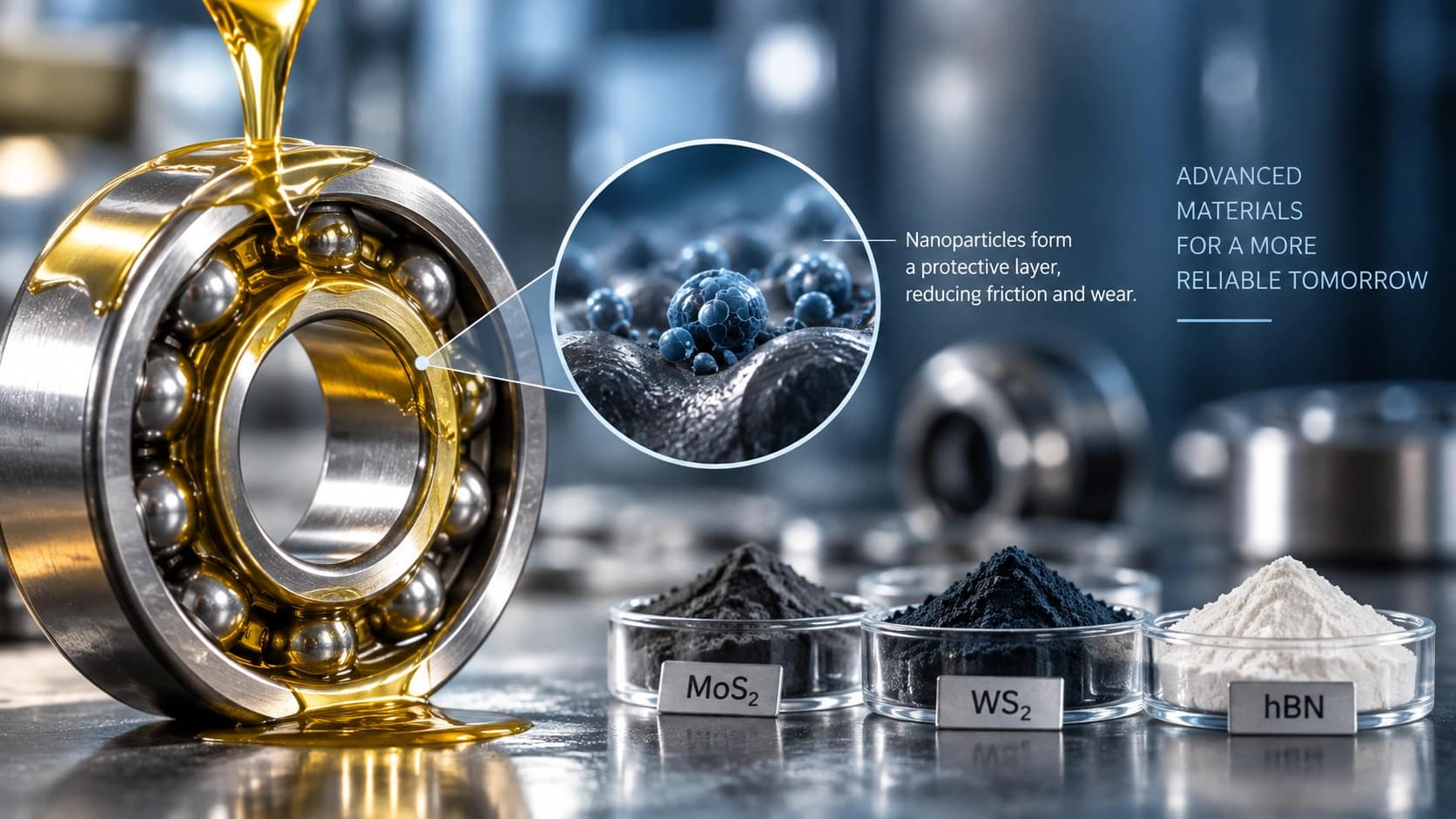
Jade Chemicals’ high temperature EP grease uses a synthetic base and Tungsten Disulfide (WS₂) as a solid lubricant component. According to the product information, the formulation is intended to maintain lubrication across a wide temperature range while providing enhanced load-bearing performance.
2. Why Conventional Grease Can Struggle at High Temperatures
Temperature has a direct effect on lubricant behaviour.
As temperatures increase, grease can lose viscosity & its ability to sustain an effective lubricating film can be affected. In demanding applications, this may contribute to increased friction, wear & lubricant loss.
The problem becomes more significant when high temperature is combined with:
- Heavy mechanical loads
- High rotational speeds
- Continuous operation
- Rapid temperature changes
- Water or chemical exposure
- Restricted lubrication access
A suitable high temperature grease therefore needs to be selected according to the complete operating environment rather than temperature alone.
3. How Tungsten Disulfide (WS₂) Enhances EP Grease
Tungsten Disulfide, commonly abbreviated as WS₂, is a solid lubricant known for its friction-reducing and load-bearing properties.
In Jade Chemicals’ formulation, WS₂ is incorporated to enhance the extreme-pressure characteristics of the grease.
This makes WS₂ particularly relevant in applications where conventional lubricating films may be challenged by pressure, temperature or mechanical stress.
The combination of a synthetic base and solid lubricant technology provides a different approach to protecting components operating in demanding conditions.
4. Key Benefits of High Temperature EP Grease
A high temperature EP grease should provide more than resistance to heat. Its overall performance depends on its ability to maintain lubrication and mechanical stability under actual operating conditions.
Key benefits associated with Jade Chemicals’ formulation include:
Wide Operating Temperature Range
The product is specified for temperatures from -20°C to 800°C, making it suitable for applications exposed to significant thermal variation.
High Dropping Point
Jade Chemicals specifies a dropping point above 320°C. Dropping point is an important consideration because it indicates the temperature at which a grease loses its semi-solid structure under the standard test conditions.
Extreme Pressure Protection
The addition of WS₂ supports the grease’s extreme-pressure characteristics and helps protect surfaces subjected to heavy mechanical loads.
5. High Temperature EP Grease for Bearings

Bearings are among the most important applications for high temperature grease.
Bearing selection and lubrication should take into account factors such as:
- Bearing type
- Load
- Rotational speed
- Operating temperature
- Lubricant viscosity
- Grease consistency
- Channeling behaviour
- Relubrication requirements
Jade Chemicals notes that speed factor, calculated using bearing bore and RPM, can also influence grease selection. The product page specifically identifies high temperature bearing grease for applications where the speed factor exceeds 500,000.
The correct grease should therefore be selected according to the bearing manufacturer’s requirements and the actual operating conditions.
6. Industrial Applications of High Temperature Grease
High temperature EP grease can be considered for industrial applications where conventional lubricants face demanding thermal and mechanical conditions.
Potential applications include:
- High-temperature bearings
- Industrial conveyors
- Furnaces and kilns
- Exhaust fans
- Heavy machinery
- High-speed rotating equipment
- Industrial pumps
- Components exposed to heavy loads
The exact suitability depends on the equipment design, operating conditions and lubrication requirements.
For this reason, lubricant selection should ideally begin with the application rather than simply selecting a product based on its maximum temperature rating.
7. How to Select the Right High Temperature EP Grease
Temperature is important, but it is not the only specification that matters.
Load: Is the equipment exposed to normal, shock or extreme pressure?
Viscosity: Is the grease capable of providing an appropriate lubricating film at the operating temperature?
Consistency: Does the NLGI grade suit the equipment and lubrication system?
Application method: Will the grease be manually applied or used through a central lubrication system?
Jade Chemicals also states that different NLGI grades can be supplied according to specific industrial requirements.
8. High Temperature EP Grease vs Conventional Grease

The main difference is the operating environment for which the lubricant is designed.
Conventional grease may be suitable for general-purpose applications where temperatures and loads remain within normal operating limits.
High temperature EP grease is intended for more demanding conditions where temperature & pressure place greater stress on the lubricant.
9. Why Choose Jade Chemicals for High Temperature EP Grease?
Jade Chemicals supplies Specialty Industrial Lubricants for demanding applications across India, including Solid Lubricants, high-temperature EP grease, anti-friction sprays and coatings.
Its high temperature EP grease combines a synthetic base with WS₂ and is specified for a -20°C to 800°C operating range, with a dropping point above 320°C.
Application conditions, equipment requirements and long-term reliability all need to be considered before selecting a product.
To discuss a high-temperature lubrication requirement, manufacturers can Contact Jade Chemicals for product and application guidance.
Frequently asked questions
High temperature EP grease is a specialised grease designed for lubrication under elevated temperatures and heavy mechanical loads. EP refers to Extreme Pressure, indicating the grease is formulated to provide protection under demanding load conditions.
Jade Chemicals specifies an operating temperature range of -20°C to 800°C for its High Temperature EP Grease. The product also has a specified dropping point above 320°C.
Tungsten Disulfide (WS₂) is used as a Solid Lubricant component. According to Jade Chemicals, its inclusion enhances the extreme-pressure characteristics of the grease and helps reduce metal-to-metal contact under heavy loads.
Temperature, load, rotational speed, viscosity, NLGI consistency, channeling behaviour, environmental exposure and the equipment manufacturer’s lubrication requirements should all be considered.
Yes. Jade Chemicals states that different NLGI grades can be supplied according to specific pump, bearing or lubrication-system requirements.